
How Revenue Control™ Turned an $80K Service Business into a $3M+ Annual Operation
From no tracking and unstable revenue to multi-year, controlled $3M+ over the following 4 years on less than $35K in ad spend.
Why Most Businesses Never Scale — Even When Leads Are Coming In

Most businesses don’t fail because of demand.
They fail because demand exposes operational weakness.
When lead volume increases:
• Calls go unanswered
• Follow-up slows
• Quotes aren’t tracked
• No one can see where revenue is leaking
Growth doesn’t break businesses.
Lack of control does.
This was the exact situation before Revenue Control™ was implemented.


The Real Problem Wasn’t Traffic — It Was Control
Inbound demand existed.
What didn’t exist was infrastructure:
• No centralized lead tracking
• No response-time accountability
• No structured follow-up system
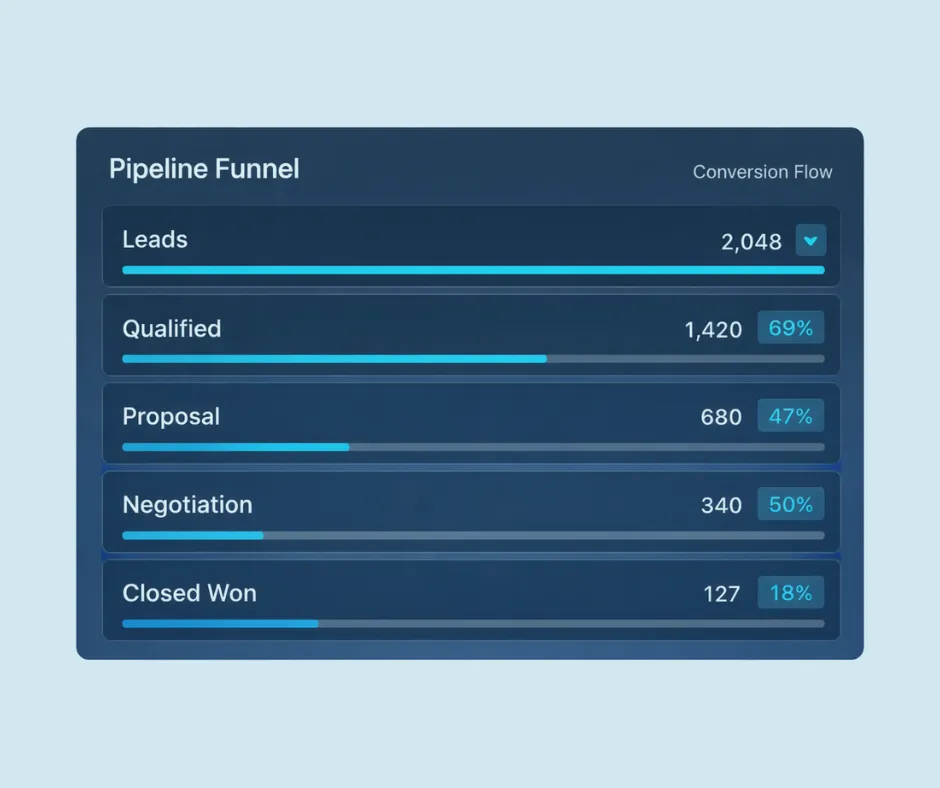
• No visibility into pipeline performance
• No connection between marketing and revenue
Leads were coming in.
Revenue wasn’t predictable.
Without control, growth created chaos instead of scale.

We Built a Structured Revenue System — Not Campaigns
We didn’t add more marketing.
We installed infrastructure:
• Every lead captured and tracked
• Immediate response enforced
• Follow-up automated across the pipeline
• Marketing connected directly to revenue
• Full visibility into performance
This wasn’t a tactic.
It was infrastructure.
This is what Revenue Control™ is built to do.

What Happened Next
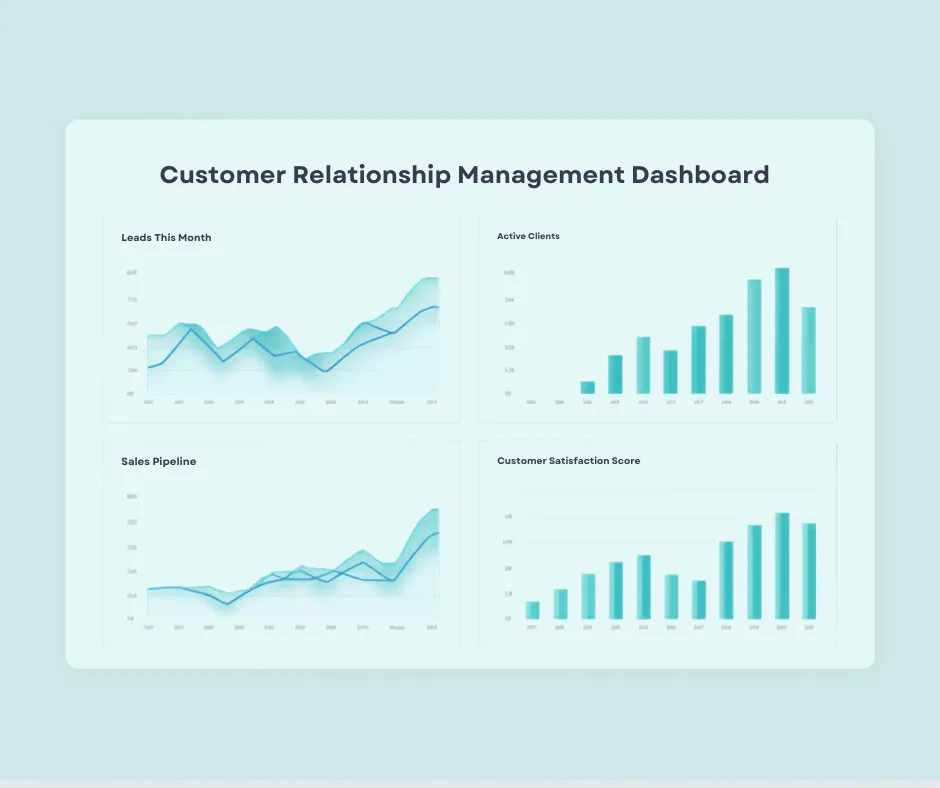
First 90 Days:
• Lead response stabilized
• Missed opportunities decreased
• Pipeline visibility improved
By Month 9
• Revenue reached $365K within 9 months
Over the following years:
• $3M+ Sustained across 5.5 years
• That same system has since generated $9.3M+ in total pipeline over 5.5 years of continuous refinement.
Growth became predictable — not reactive.
What Actually Drove Growth
Growth didn’t come from more leads.
It came from control.
Response time enforced.
Every opportunity tracked.
Follow-up automated.
Visibility tied directly to revenue.
When structure was installed, growth became predictable.
Growth didn’t increase when leads increased — it increased when control was established.


What This Means For Your Business
If you’re generating demand but revenue isn’t predictable,
the problem isn’t traffic.
It’s control.
When response is enforced,
every lead is tracked, and pipeline visibility is non-negotiable —growth becomes structured.
Control turns inconsistent demand into predictable revenue.